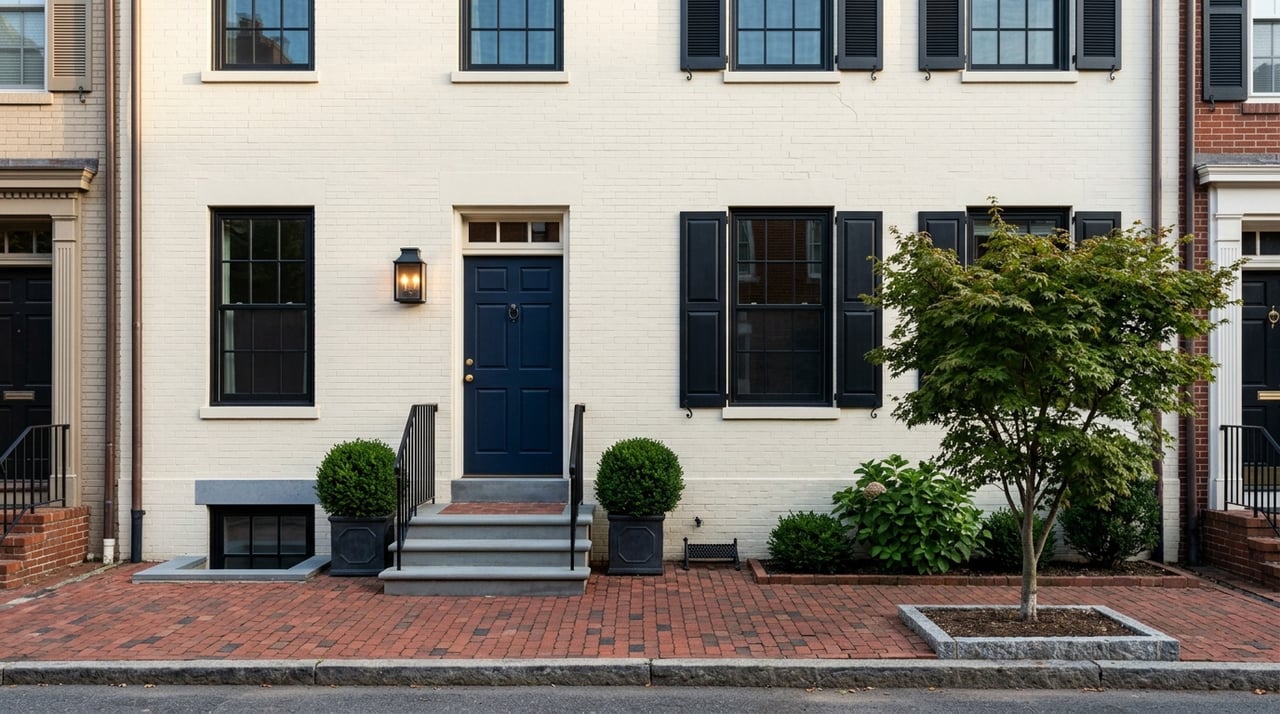
If you’re wondering whether Old Town Alexandria feels more like a neighborhood or a destination, the honest answer is both. It offers a historic setting, a lively waterfront, and an everyday rhythm that appeals to buyers who want to stay connected to shops, dining, transit, and the city around them. If you’re considering a move here, this guide will help you picture what daily life is really like and what tradeoffs come with it. Let’s dive in.
Old Town Alexandria at a Glance
Old Town is Alexandria’s historic urban core, and the City notes it has served as Northern Virginia’s urban center since the town was incorporated in 1749. Much of the area is included in a National Register Historic District, and the local Old & Historic District has been regulated through historic preservation review since 1946.
That historic identity shapes the way the neighborhood looks and feels today. You’ll find brick-lined streets, cobblestone alleys, and architecture that spans several centuries, including Georgian, Victorian, and Mid-Century Modern styles. The result is a place that feels more like a preserved small city center than a typical suburban neighborhood.
What Daily Life Feels Like
One of the biggest draws of living in Old Town is how much of your week can happen close to home. The neighborhood is built around walking, browsing, dining, and spending time outdoors rather than driving from one stop to the next.
King Street is the center of that daily activity. It remains the main commercial spine, with more than 100 independently owned boutiques within a walkable mile and dozens of independent restaurants nearby. If you enjoy having local businesses woven into your routine, Old Town delivers that in a very visible way.
The pace here often feels social and street-oriented. You can walk to grab coffee, meet friends for dinner, browse shops, or spend part of the afternoon along the waterfront without planning a big outing. That kind of convenience is a major reason many buyers are drawn to the area.
The Waterfront Is Part of Everyday Living
Old Town’s waterfront is not just a place people visit on weekends. The City describes it as a 23-acre mix of parks, trails, shops, dining, historic sites, and marina space, which makes it part of normal neighborhood life.
You’re not limited to just scenic views, either. Waterfront dining, public activity, river access, music, and street performers all contribute to the area’s day-to-day energy. For many residents, the waterfront becomes part of a regular routine, whether that means a walk after work or time outside on the weekend.
History and Arts Are Built In
Old Town also has a strong cultural layer that shapes everyday living. Institutions like the Torpedo Factory Art Center, Gadsby’s Tavern Museum, the Alexandria Archaeology Museum, and the Stabler-Leadbeater Apothecary Museum are nearby and help reinforce the neighborhood’s historic identity.
That means living here can feel visually rich and connected to place. You’re surrounded by reminders that this is one of the region’s oldest urban areas, and that history is part of the neighborhood’s texture rather than something kept separate from daily life.
The Farmers’ Market and Weekly Rhythm
For many locals, the Old Town Farmers’ Market is a weekly anchor. The City says it takes place every Saturday year-round and is the oldest farmers’ market in the country held continuously at the same site.
In peak season, it can reach more than 70 vendors. That kind of consistency adds to the neighborhood’s sense of routine and community activity, especially for buyers who want a place that feels active beyond the workweek.
Getting Around Without Relying on a Car
Old Town stands out for buyers who want options beyond driving. The King St-Old Town station is served by the Blue and Yellow Metro lines, and WMATA says the station sits across from Alexandria Station, which also serves Amtrak and Virginia Railway Express.
You also have connections to DASH, Metrobus, and the free King Street Trolley. That makes it easier to get around the neighborhood, reach the waterfront, or connect into Washington without needing your car for every trip.
The King Street Trolley Makes a Difference
The King Street Trolley plays a real role in how people move through Old Town. The City says it runs daily every 15 minutes between the Metro station and City Hall and Market Square, with multiple stops along historic King Street.
Visit Alexandria notes that the stops are spaced every two to three blocks. In practical terms, that helps support a car-light lifestyle and makes the stretch between Metro and the waterfront more convenient for everyday use.
Commuting to D.C. Is Very Doable
If you work in or visit Washington regularly, Old Town offers several solid options. Visit Alexandria estimates Metro trips into D.C. at about 20 minutes, while water taxi service can take about 30 minutes depending on your destination.
The waterfront also offers service to places such as The Wharf, Georgetown, National Harbor, and on some game days, Navy Yard. For buyers who want a neighborhood with personality but still value regional access, that combination is a strong advantage.
Parking and Practical Tradeoffs
As appealing as Old Town is, it helps to go in with realistic expectations. This is not a low-density suburban setting built around easy parking everywhere.
The City notes that Old Town has metered on-street parking, time limits, garages, and strict enforcement. It also encourages people to walk, bike, or use Metro, DASH, or the trolley rather than drive everywhere.
That means buyers who love urban convenience may find the tradeoff well worth it. If you strongly prefer wide streets, easy parking, and a more car-dependent layout, Old Town may feel different from what you’re used to.
A Neighborhood With Seasonal Energy
Old Town stays active throughout the year, and that seasonal rhythm is part of its appeal. The farmers’ market runs year-round, and the waterfront continues to draw activity across seasons.
Winter is especially known for major community events. The City identifies the Scottish Christmas Walk Parade and the Holiday Boat Parade of Lights as signature annual traditions, though it also notes that these events bring road closures and crowds throughout Old Town.
Spring and summer bring their own event energy. Visit Alexandria highlights the Old Town Festival of Speed & Style on King Street and the Sails on the Potomac celebration along the waterfront as major neighborhood events.
For some buyers, that active calendar is a huge plus. It creates a sense of place and keeps the area feeling lively, though it also means you should expect busier days at certain times of year.
Who Old Town Is Best For
Old Town can be an excellent fit if you want a historic, walkable, transit-connected neighborhood with riverfront access and a true main-street atmosphere. It especially appeals to buyers who value local businesses, everyday convenience, and a setting with strong visual character.
It can also be a smart option if you want easier access to D.C. without giving up a neighborhood feel. With Metro, rail, trolley, bus, and water access in the mix, the area offers more transportation flexibility than many nearby communities.
On the other hand, Old Town may be less ideal if your priority is a quieter, lower-density environment centered on driving and easy parking. The neighborhood works best when you embrace its urban village feel and the activity that comes with it.
Why Buyers Keep Considering Old Town
For many people, Old Town Alexandria offers something hard to replicate in the region. It blends historic character, waterfront living, independent businesses, and practical transit access in a way that feels distinct from more suburban Northern Virginia neighborhoods.
If that mix matches the way you want to live, Old Town can be a compelling place to put down roots. And if you’re comparing it with other Alexandria or Northern Virginia neighborhoods, it helps to work with an agent who can walk you through the lifestyle differences, not just the listings.
If you’re thinking about buying or selling in Alexandria or anywhere nearby, Allison C Gillette can help you navigate your next move with calm guidance, local insight, and a no-pressure approach.
FAQs
What is daily life like in Old Town Alexandria?
- Daily life in Old Town Alexandria centers on walking, local shopping, dining, waterfront access, and regular neighborhood activity along King Street and nearby public spaces.
Is Old Town Alexandria walkable for everyday errands?
- Yes. Old Town is known for a walkable layout with shops, restaurants, the waterfront, and local attractions concentrated within a relatively compact area.
How do you commute from Old Town Alexandria to Washington, D.C.?
- You can use the Blue and Yellow Metro lines from King St-Old Town, along with Amtrak, Virginia Railway Express, DASH, Metrobus, the King Street Trolley, and some water taxi routes.
Is parking difficult in Old Town Alexandria?
- Parking is available, but the City notes metered spaces, time limits, garages, and strict enforcement, so many people rely on walking, biking, transit, or the trolley for daily movement.
What makes Old Town Alexandria different from suburban neighborhoods?
- Old Town offers a more urban village feel, with historic architecture, a main-street setting, strong transit connections, and a lively event calendar rather than a low-density, car-centered layout.
Does Old Town Alexandria have community events throughout the year?
- Yes. The neighborhood has year-round activity that includes the weekly farmers’ market and annual events such as the Scottish Christmas Walk Parade, Holiday Boat Parade of Lights, Old Town Festival of Speed & Style, and Sails on the Potomac.
